
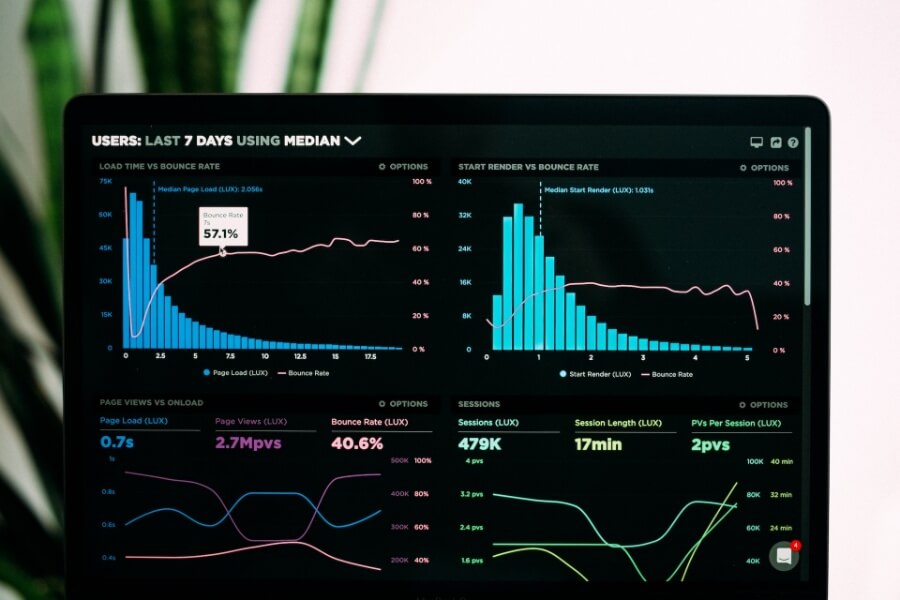
Introduction to SmartPlots
In today’s world, data is considered one of the most valuable resources. Organizations and individuals constantly generate massive amounts of information, and making sense of this data is crucial for informed decision-making. Traditional charts and graphs, while useful, often fail to convey the full story hidden within complex datasets. This is where SmartPlots come into play. SmartPlots are advanced data visualization tools that combine intelligence, interactivity, and adaptability to present data in a meaningful and insightful way. They are designed to go beyond simple visual representation, providing users with a deeper understanding of trends, patterns, and relationships within the data.
The Concept of SmartPlots
SmartPlots can be described as intelligent and dynamic charts that do more than just display numbers. Unlike static graphs, which remain fixed regardless of user needs, SmartPlots adapt based on the data presented and the context of the analysis. They leverage algorithms, artificial intelligence, and sometimes machine learning to detect patterns and suggest the most effective way to visualize information. This makes them especially useful for large or complex datasets, where traditional graphs may be insufficient to highlight critical insights. By automatically adjusting to the nature of the data, SmartPlots ensure that users always view information in the clearest and most relevant format.
How SmartPlots Work
The functionality of SmartPlots relies on several integrated technologies. At the core is a system that analyzes the dataset and identifies key trends or anomalies. Once these are detected, SmartPlots recommend or automatically create the visualization that will best convey the information. For example, a dataset showing monthly sales trends might initially appear as a line chart, but SmartPlots could transform it into a heat map to reveal seasonal fluctuations more clearly. Users can interact with these visualizations by filtering data points, zooming into specific time frames, or comparing multiple variables simultaneously. The intelligence behind SmartPlots reduces the effort required by analysts and makes complex data accessible to people without specialized statistical knowledge.
Advantages of Using SmartPlots
One of the primary benefits of SmartPlots is their ability to simplify complex information. In organizations, decision-makers often face datasets that are too vast to interpret manually. SmartPlots summarize this information visually while highlighting the most significant trends. They also improve engagement, as interactive charts allow users to explore data in a hands-on manner rather than just reading static numbers. Another advantage is accuracy. Because SmartPlots can detect anomalies and suggest appropriate visualization types, they reduce the risk of misinterpretation. Additionally, these tools support real-time data updates, ensuring that the insights remain current and relevant for decision-making processes.
Applications of SmartPlots
SmartPlots have a wide range of applications across different industries. In business, they are used for tracking sales, monitoring customer behavior, and analyzing market trends. In healthcare, SmartPlots help visualize patient data, identify emerging health patterns, and optimize treatment plans. In education, teachers and administrators use SmartPlots to assess student performance and improve learning outcomes. Government agencies utilize SmartPlots for demographic analysis, urban planning, and policy development. Essentially, any field that relies on data for decision-making can benefit from the clarity and intelligence that SmartPlots provide.
The Future of SmartPlots
As technology continues to evolve, the future of SmartPlots looks promising. With the advancement of artificial intelligence, these tools are expected to become even more intuitive, capable of predicting trends before they become apparent in raw data. Integration with other technologies, such as augmented reality and virtual reality, could transform SmartPlots into immersive data experiences, where users interact with three-dimensional datasets. Furthermore, as more organizations adopt cloud-based data storage, SmartPlots will enable real-time collaboration across teams, allowing multiple users to analyze and interpret the same data simultaneously from different locations.
Conclusion
SmartPlots represent a significant leap forward in the field of data visualization. By combining intelligence, interactivity, and adaptability, they provide a deeper understanding of complex datasets than traditional charts or graphs. They simplify analysis, reduce the risk of misinterpretation, and enable informed decision-making across industries. As businesses, governments, and educational institutions continue to rely on data, the importance of tools like SmartPlots will only grow. They are not just a way to present information; they are a way to uncover insights, predict trends, and make smarter decisions in an increasingly data-driven world.